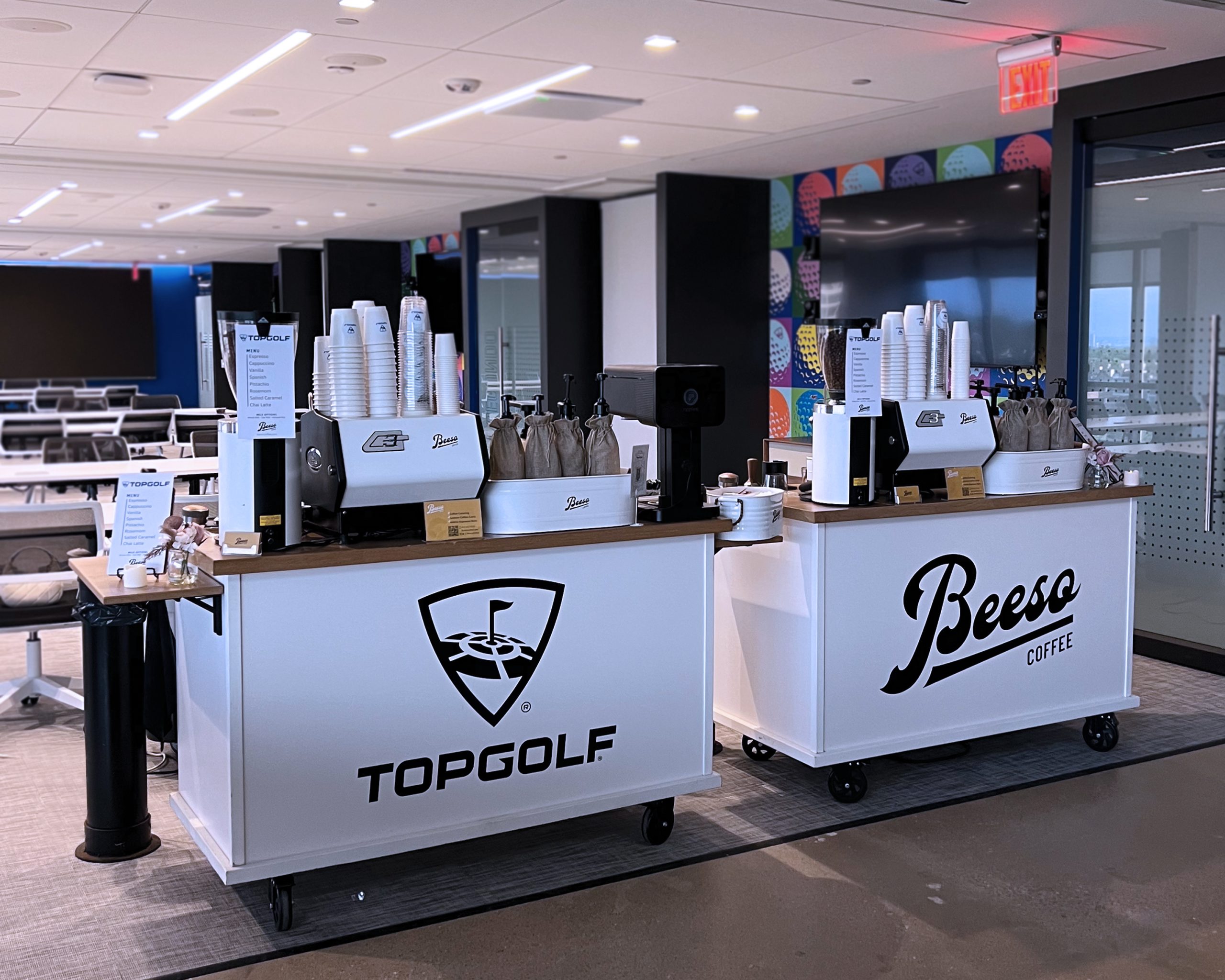
Dallas events move on real schedules. A morning setup near the Arts District can feel calm until the first group arrives early. A corporate program in Uptown can flip from “we’re fine” to a long coffee line in five minutes. A wedding near Bishop Arts can stay relaxed, then suddenly everyone wants lattes from the coffee bar right after photos.
If you are sketching a cart build, you are already asking the right questions. The hard part is making the cart work in Dallas spaces, not just in your garage, especially when setting up a coffee cart. Doors and elevators. Loading docks. Parking rules. Heat is a critical factor when operating a coffee bar. Quick resets between drinks will help maintain optimal service flow. Those details matter more than the wood finish.
This guide walks you through practical choices that help your cart feel steady and easy to run. And if you would rather skip the build and still bring a polished coffee experience to your event, Beeso Coffee serves Dallas and the wider DFW area with mobile coffee carts plan for weddings, corporate events, private celebrations, conferences, retail activations, and greenrooms.
What Should be Included in Mobile Coffee Cart Plans
Most first builds stall for one reason. People buy equipment first, then try to force it into a cart later. Start with the workflow and the footprint, then choose gear that fits your real use.
Begin with four decisions.
Decide What You’ll Often Serve
Write your top three event types in Dallas. Be honest.
Examples:
- Wedding receptions with a big rush after dinner
- Corporate meetings with a short break window
- Conferences where foot traffic comes in waves
Then choose a menu that matches. Espresso only feels different than espresso plus batch brew. A smaller menu can speed up service and reduce storage needs, allowing for a more focused offering.
Estimate How Many Drinks You’ll Make Per Hour
This is where layout becomes real. If you expect a heavy rush, you need a handoff space that keeps guests out of the barista zone. You also need storage that can handle restocks without constant bending and digging.
A simple way to estimate:
- Light rush: small group, casual pacing for optimal service.
- Medium rush: steady line for 30 to 60 minutes at the coffee bar.
- Heavy rush: big line in a short window, little downtime at the coffee business.
Plan How You’ll Move And Park In Dallas
Some venues have smooth load-ins. Some do not. Downtown hotels may require a service elevator plus a long hallway push. Deep Ellum can mean tight turns and crowded streets on weekends. The Design District can be easier, but it still depends on the building.
Plan for:
- Wheels that handle curb cuts and uneven sidewalks
- A cart width that clears common doorways
- A push handle that does not catch on frames or corners
- A setup that can be moved by the staff you actually have
Pick Your Setup Time And Service Window
This matters for “hours” without guessing any fixed business hours, ensuring optimal service. Events run early and late in Dallas, and planners often want a cart that can handle early morning starts or late evening service.
Plan for:
- A setup routine that fits the venue schedule is essential for efficient distribution.
- A breakdown routine that does not create a mess is essential for optimal cleanup.
- A cleaning plan that works during service, not only after

A Cart Layout That Keeps Your Line Moving
The best-looking cart in the room can still feel slow if the workflow is awkward. You want fewer steps, fewer reach-backs, and fewer moments where guests lean into your work area.
Think in zones.
The Barista Work Zone
Keep the grinder, espresso machine, milk area, and cups close enough that you can work with small turns, not big steps. If you take two steps for milk every drink, you will feel it by drink twenty, impacting your efficiency and service volume, especially if using a pump.
A clean flow looks like this:
- Grind and prep
- Pull the shot with precision for optimal flavor.
- Steam and pour
- Finish and hand off
The Guest Order And Pick-Up Zone
Guests will gather wherever the opening feels obvious. Give them a clear pickup spot. Add a small space for lids, sugar, or napkins so guests do not drift toward your tools.
If you can, set the cart so guests line up on one side and exit on the other. Even a small cue, like a sign or a menu stand, can keep the line calm.
The Storage And Restock Zone
Storage is not glamorous, but it makes service smooth. Put cups, milk backups, syrups, and cleaning cloths where you can reach them without turning your back to the line, ensuring all equipment on the cart is easily accessible.
Small things that help:
- A drawer for spare towels and sanitizer is a crucial component of an organized service area.
- A shelf for cup sleeves and napkins
- A bin for trash that is easy to swap during service
Mobile Coffee Cart Design Dimensions That Fit Dallas Venues
People look up mobile coffee cart design dimensions because they want a clear starting point for building a DIY coffee cart. The safest approach is to design for what stops carts in the real world, doors, elevators, and tight corners.
Practical Size Ranges That Usually Work
- Cart length: about 48 to 60 inches
- Cart depth: about 24 to 30 inches
- Counter height: about 36 inches, adjusted for comfort
- Total height with equipment: low enough to clear door frames and keep sight lines open
If you plan to serve weddings, keep sight lines in mind. A tall structure can block views near floral displays or photo backdrops. For corporate events, a lower profile often looks cleaner and makes branded signage easier to see, enhancing the overall aesthetic.
Measure Doors And Elevators First
Before you commit to a footprint, measure the narrowest space you expect to pass through.
Common trouble spots:
- Service doors that are narrower than main entrances
- Elevator entrances with tight turns
- Hallways with corners that require a careful pivot can impact the flow of service and the volume of customers served.
If your cart barely fits in your own test run, it will feel stressful onsite, impacting your distribution efficiency.
Materials That Handle Dallas Heat And Constant Cleaning
Dallas heat can be rough on gear, especially when the cart rides in a trailer or van. Then it goes into cold air conditioning, which is a solution to maintaining beverage quality. Then back into the heat of setting up a coffee cart. Materials that swell, warp, or stain will cause problems over time.
Choose surfaces that tolerate wiping, spills, and quick sanitizing. A smooth work surface with fewer seams is easier to keep clean during service. That matters in greenrooms and backstage areas where staff wants fast, quiet resets.
Practical material tips:
- Seal wood properly so it resists moisture, especially when using a pitcher for liquids.
- Use stainless where spills and heat happen most
- Choose hardware that does not rust from repeated wipe-downs, especially if you are using a steel frame for durability.
- Round or protect corners that will get bumped during load-in
DIY Mobile Coffee Cart Build Plans
A lot of DIY mobile coffee cart plans focus on the frame and forget the event routine. Your plan should cover how you arrive, set up, serve, restock, and break down efficiently. If it only shows the cart shell, you will end up changing things mid-season.
Include these pages in your build packet:
- A top-down layout with equipment footprints is crucial for an efficient coffee bar setup.
- A storage map that shows where backups go
- A simple power plan for cords and outlets
- A water approach, even if it is a jug system, can be optimized with a pourover method.
- A cleaning routine you can do during service
- A packing list for tools, spare parts, and backups
Also write down your “something went wrong” kit. It does not need to be dramatic. It just needs to be real.
A good kit includes:
- Spare gaskets and a basic tool set are essential for building a DIY coffee cart.
- Extra towels and a small sanitizer bottle
- Backup POS battery and charging cable
- A second tamp or backup hand tool you rely on
Dallas Tips That Help Your Setup Run Smoothly
This is the part most people skip when they draw carts for their DIY coffee cart. Dallas has its own rhythm, and events often share buildings with other programs, making it a unique setting for a coffee business. Your cart should feel respectful and easy to place.
Parking And Load-In In Busy Areas
Downtown and Uptown can involve paid garages, limited loading windows, and strict rules about where you can stop, affecting your distribution. Areas like Bishop Arts can be easier, but you may still walk farther than expected if the street is packed, which complicates setting up a coffee cart.
What helps:
- A cart that rolls cleanly over seams and ramps
- A way to carry extra cases without stacking them dangerously
- A simple plan for where your vehicle will go after unload
Traffic And Timing Around Dallas Routes
Your cart and gear will almost always arrive by vehicle. Still, it helps to understand how staff will get to the venue. DART stops can be useful for team members commuting to Downtown, Victory Park, or near Deep Ellum. For your load-in timing, plan buffers around I-35E, US-75, and the Mixmaster. A small delay can eat into setup time fast.
Quiet Setups For Shared Spaces
Some conferences run sessions right next to the setup area. Some corporate venues want quiet hallways to enhance the coffee business atmosphere. Your build can help. Softer wheels and drawers that do not slam reduce noise. It makes planners more comfortable, and it keeps the event feeling smooth.
When Renting Makes More Sense Than Building
If you have an event date coming up, renting can save you weeks of trial and error. It also helps you learn what you like before you commit to a full build.
Renting tends to make sense when the offering meets the specific needs of the event and equipment requirements.
- You need a polished setup for a wedding or conference soon
- You want to test a menu before buying equipment
- You do not want to troubleshoot power and layout onsite
- You want a consistent look for brand photos and guest experience
If you are hosting in Dallas and want the service without the build, Beeso Coffee can provide a mobile coffee cart that is already event ready. For mobile coffee carts plan, you can point guests to See the full Menu on the Beeso Coffee website, then follow up with Request a quote for your Dallas event once you have your headcount and venue details.
A Simple Plan You Can Follow This Week
If you are serious about mobile coffee cart plans, keep it simple and move in order. That is how you avoid wasted purchases.
Step 1, Write Your Menu And Rush Scenario
Pick the drinks you will serve most. Write your expected rush window.
Step 2, Draw Your Workflow
Sketch where your hands go, not just where the machine sits. If you cross your arms a lot in the sketch, you will do it in real service, affecting your interaction with the equipment on the cart.
Step 3, Confirm Your Footprint
Test your footprint against doors and elevators to ensure that your steel frame cart can navigate these spaces effectively. If you can, do a mock push through a hallway.
Step 4, Build Your Packing And Restock List
Write down every item you need, down to napkins and trash bags. Then decide where each item lives on the cart.
Step 5, Do A Full Dry Run
Set up at home, then time it. Break it down, then time it. If you find friction points, fix them before the first booking.
Book A Mobile Coffee Cart That’s Ready To Serve
If you like the look of a cart but do not want to build one, Beeso Coffee serves events across Dallas and the DFW area. We cater weddings, corporate events, conferences, retail launches, private celebrations, and greenrooms. We coordinate setup timing with your venue, and we aim for a clean footprint that works in busy spaces.
If your planner wants the basics, share your selection of handmade tools.
- Your venue name and neighborhood
- Estimated headcount and service window
- Any parking or load-in notes you already know
That helps us plan the cart placement and service flow for the coffee bar, ensuring an efficient solution for serving. It is also the fastest way to turn your idea into a smooth event, without you spending weeks on Mobile coffee cart plans that still need testing.